

Sustainable Procurement as a Supply Chain Sustainability Lever
This article explores the growing two way pressure in supply chains, where companies are asked for climate information by customers while also needing supplier data to understand Scope 3 emissions. It explains why procurement is the operating system of supply chain sustainability and how sustainable procurement mechanisms help organisations identify supplier ESG risks, collect consistent climate data, and build resilient supply chains over time.

ESG as the non-financial function. A clearer way to think about business performance
This article offers a fresh way to understand ESG by reframing it as the non-financial function of a business, similar in purpose to the finance function. It explains how materiality makes ESG practical, why ESG data needs governance and controls like financial data, and how frameworks and standards help structure and measure non-financial performance. A clarity focused perspective for 2026 and beyond.

When “audit ready” meets ESG reality. What companies and AI reporting tools often miss
This article explores the gap between AI powered ESG reporting tools and the reality of assurance scrutiny. It explains what audit ready means in practice, how assurance providers assess GHG emissions reporting against criteria such as the GHG Protocol, and what companies should ask vendors about evidence, traceability, reproducibility and controls. It also outlines what an assurance readiness assessment is and how it helps organisations strengthen ESG data integrity before external assurance begins.

ESG is not dead. The acronym might be.
This article responds to claims that ESG is dead following regulatory pullbacks in 2025. It argues that environmental and social factors remain critical to business resilience and long term value, and explores why ESG may need a new framing. The piece outlines a practical shift for 2026 from ESG as reporting to ESG as a resilience capability grounded in governance, trusted data and integrated decision making.

ESG in 2026: The Shift From Reporting to Resilience
This article explores why ESG in 2026 is shifting from reporting to resilience. It explains how organisations can use ESG as a management discipline by strengthening governance, improving trust in sustainability data, integrating ESG into risk management, and focusing on climate and supply chain resilience. A forward looking reflection for business leaders and sustainability teams.
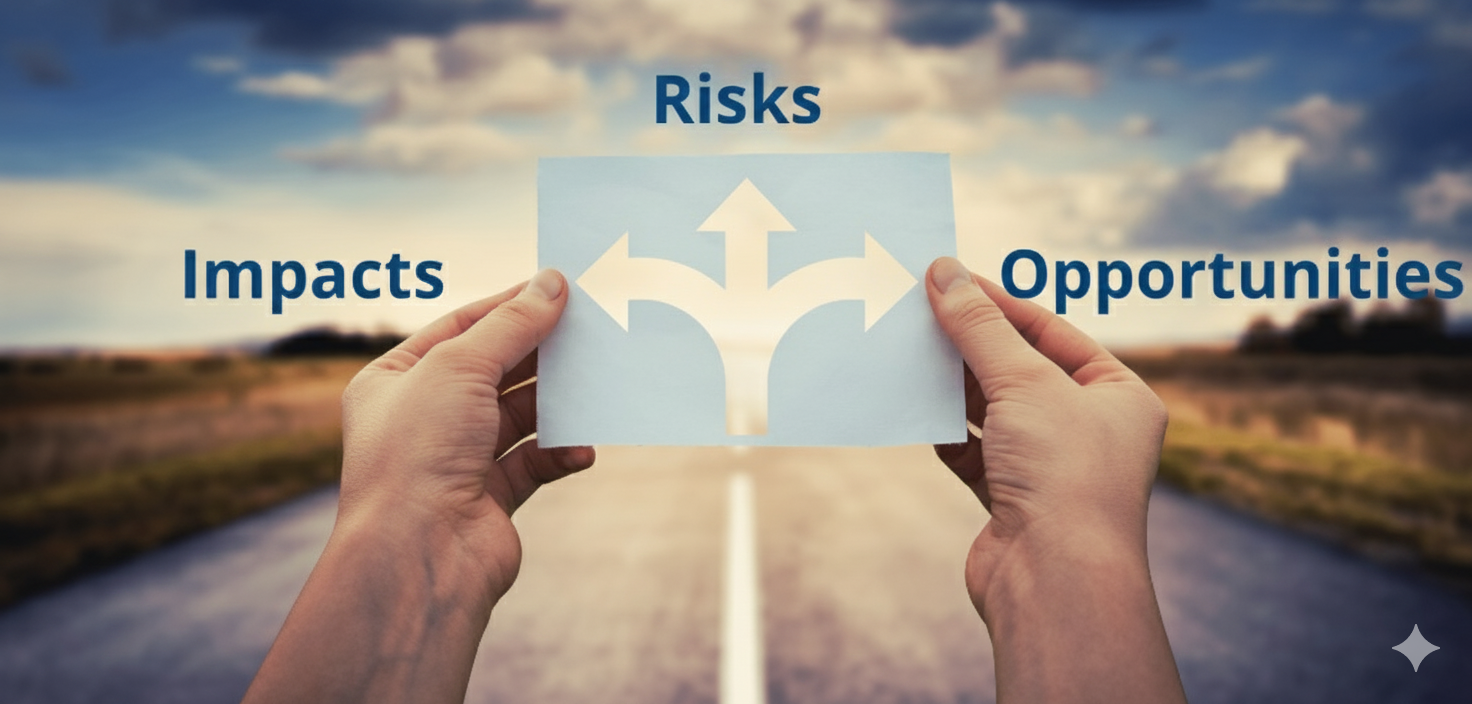
Why ESG Impacts, Risks and Opportunities Belong Inside Enterprise Risk Management
Orogen8 explores why ESG impacts, risks and opportunities should be assessed within enterprise risk management. A practical perspective on double materiality, consistency and better decisions.
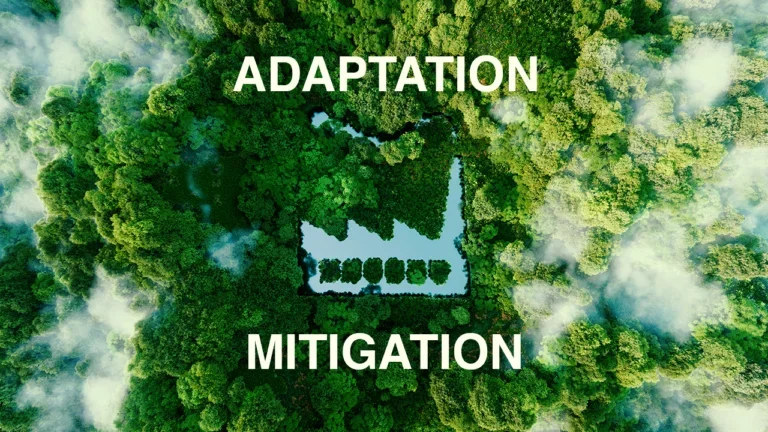
The Growing Reality of Climate Change and Why Adaptation Must Become a Core Business Strategy
Storm Bram highlights the accelerating physical impacts of climate change and why mitigation alone is no longer sufficient. This article explains the growing importance of climate adaptation, the relevance for Irish businesses and SMEs, and how organisations can strengthen long term resilience through climate risk awareness and preparation.

Carbon Credits, Carbon Markets and the Path to Responsible Net-Zero Action
Orogen8 shares a clear perspective on carbon credits, carbon markets and how companies can use them responsibly within their net-zero plans. A guide to quality, credibility and emerging expectations.

Leveraging Internal Audit to Strengthen ESG: A Powerful (and Underused) Tool for Better Governance, Better Data and Better Reporting
Orogen8 explores how internal audit can strengthen ESG foundations, improving governance, data quality and reporting credibility. A practical guide to effective ESG internal audits.
SBTi Net-Zero Standard Version 2.0 (Consultation Draft): What’s Changing and What Businesses Should Know
Orogen8 breaks down the key updates in the SBTi Net-Zero Standard Version 2.0 consultation draft, what’s new, what’s changing, and what businesses should pay attention to.
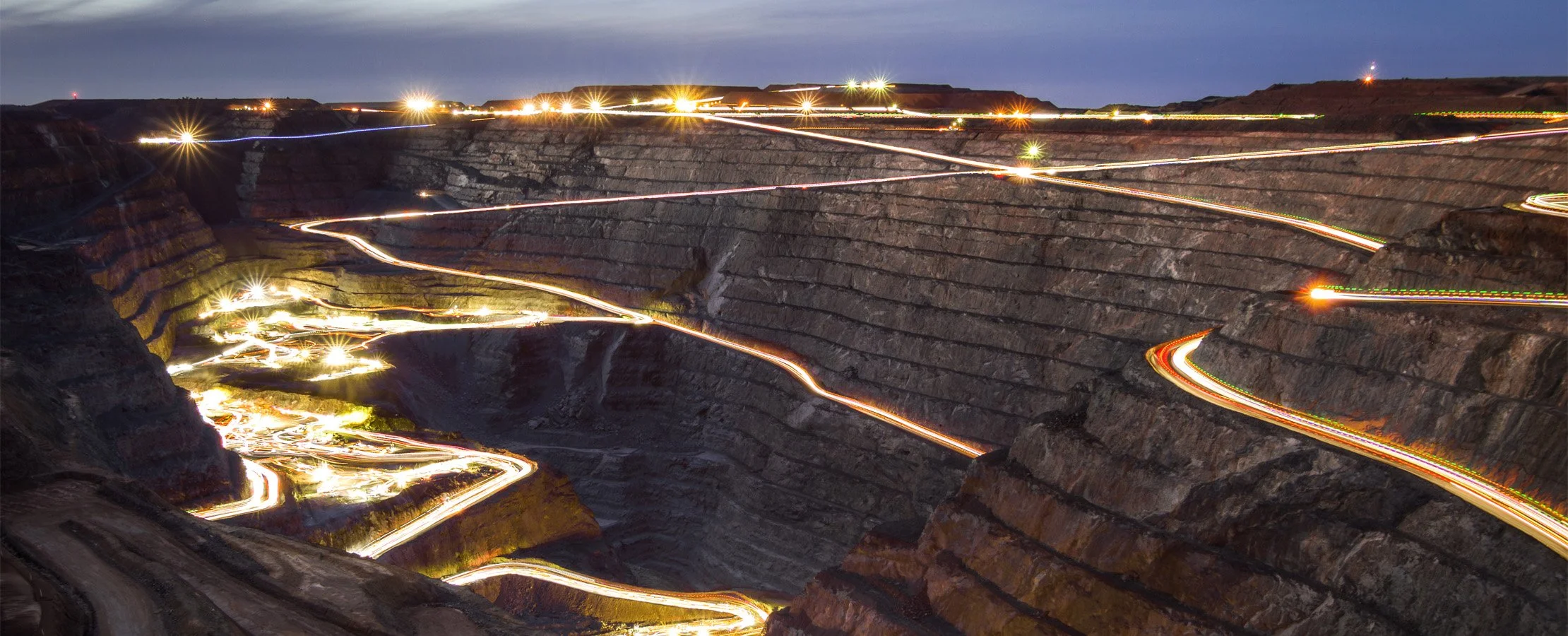
Why Critical Minerals and Sustainable Mining Matter to Every Business
Orogen8 explores why critical minerals and sustainable mining matter for every business. A unique perspective combining geoscience and ESG to understand upstream impacts.
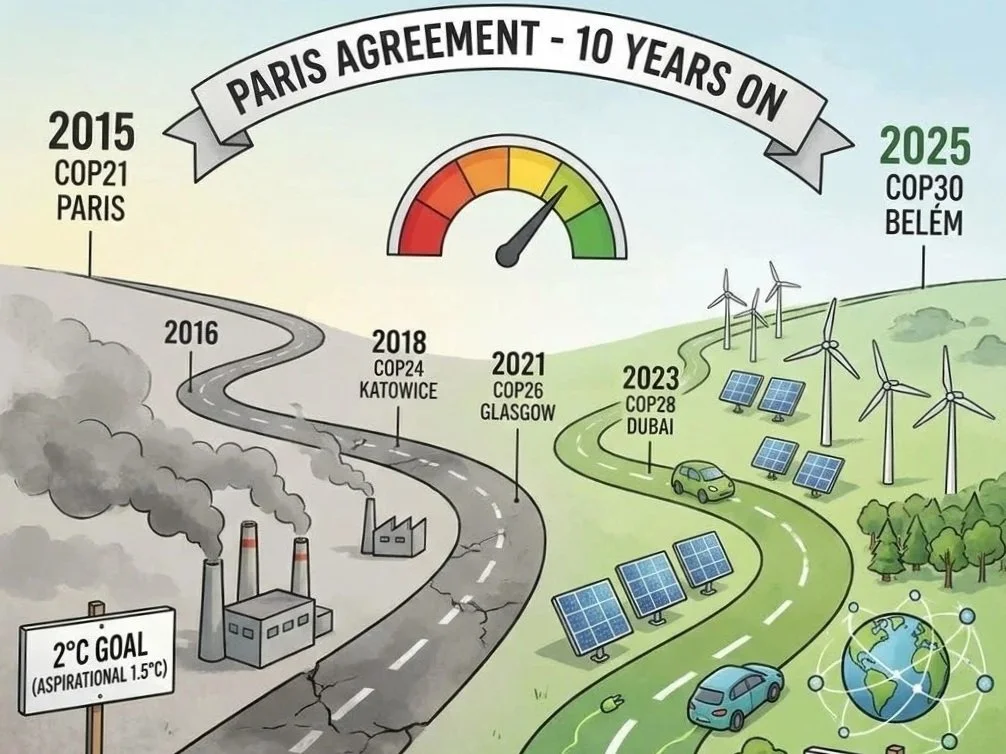
Ten Years Since Paris: Where Climate Ambition Stands and Where We Go From Here
Orogen8 reflects on ten years since the Paris Agreement, what we’ve achieved, what we haven’t, and what the next decade means for climate action and business leadership.

COP30: The Good, the Bad and What Businesses Need to Know
Orogen8’s view of the good and the bad of COP30 and what the outcomes mean for businesses. Includes practical takeaways for SMEs on climate strategy, ESG expectations and resilience.
CSRD, the Omnibus Regulation, and Why Sustainability Reporting Still Matters for Every Business
Orogen8 Takes a Look at CSRD, the Omnibus Regulation, and Why Sustainability Reporting Still Matters for Every Business

A New Chapter: Introducing Orogen8 and the Next Phase of My Sustainability Journey
Launching Orogen8 - ESG Advisory for Purpose-drive, Sustainability Focused Businesses.